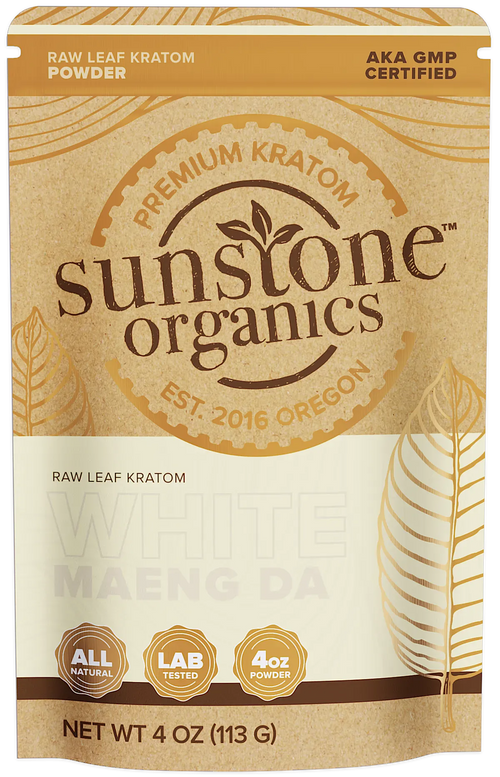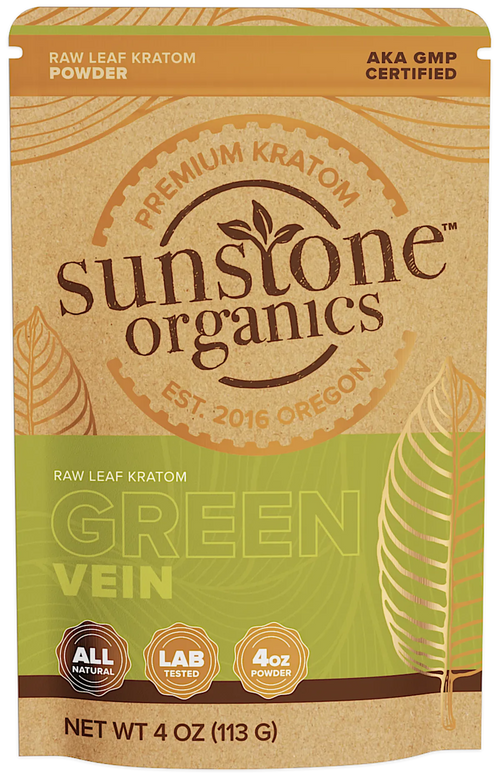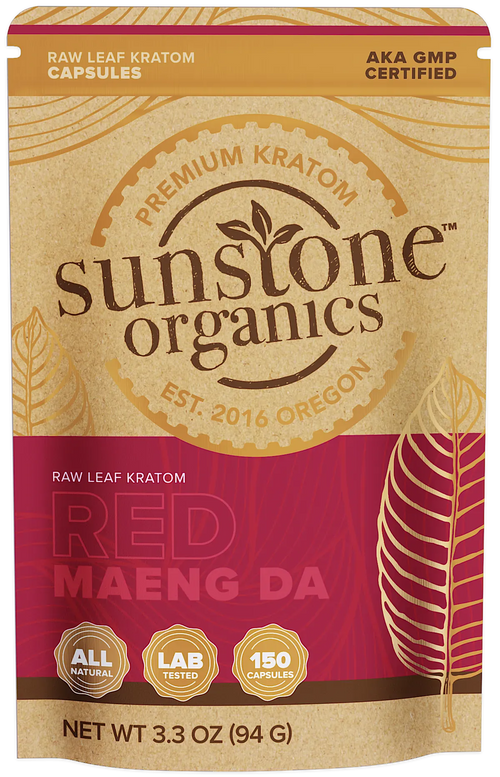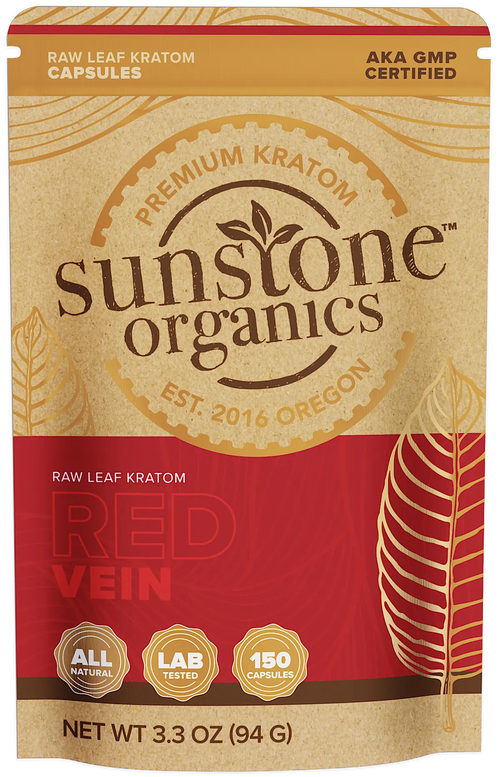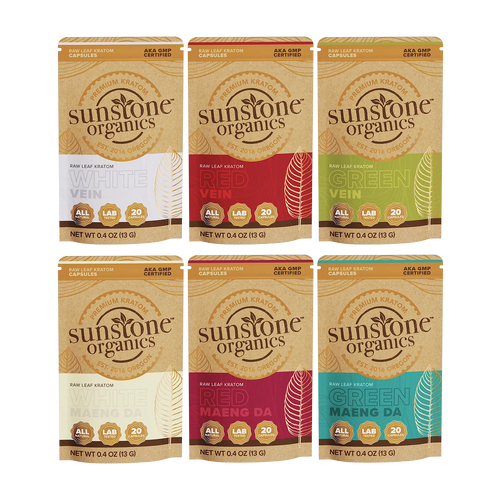

If you’ve spent time in kratom communities or on forums, you’ve probably heard about strain rotation. Some users talk about it as a way to maintain balance, avoid tolerance, or simply keep things fresh.
But what exactly is kratom rotation and how do people go about it?
Let’s take a look at this user-led approach to variety, and how you might explore it responsibly in your own routine.
What Is Kratom Strain Rotation?
Strain rotation is the practice of using different kratom varieties on different days (or at different times of day) rather than sticking with a single type consistently.
For example:
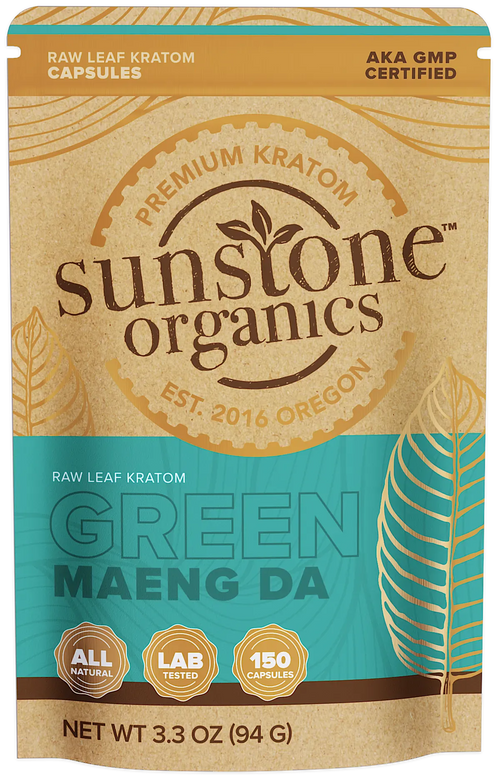
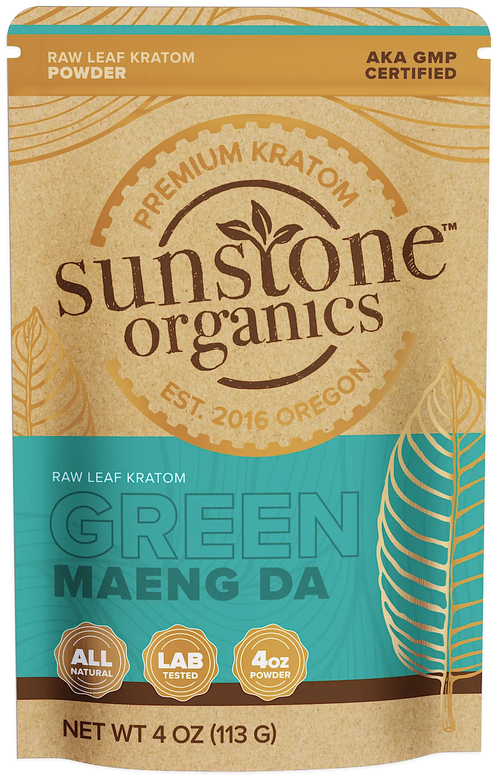
- Monday: Green Maeng Da
- Tuesday: White Vein
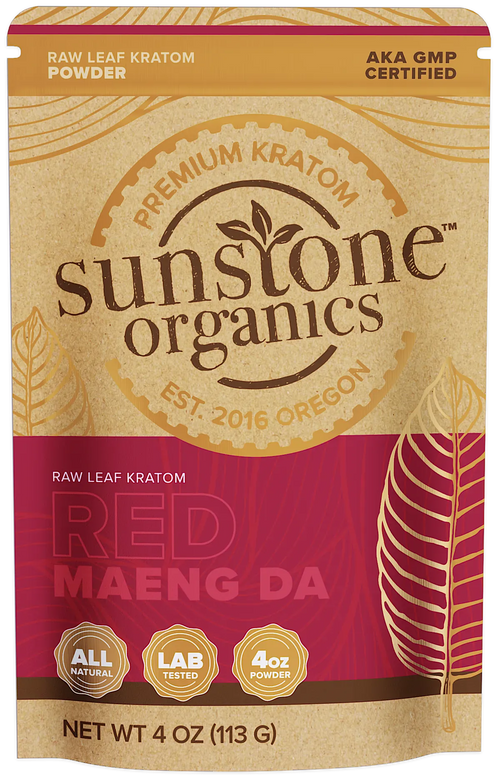
- Wednesday: Red Vein
- Thursday: No use
- Friday: Green Vein
The idea is to introduce variation, giving your body and routine some flexibility.
Why Do Some Users Rotate Strains?
While no formal medical research exists on kratom rotation, users report several anecdotal benefits:
- Avoiding repetition: Prevents getting too used to one strain.
- Tailoring to the day: Some prefer white strains in the morning and red strains in the evening.
- Exploration: Helps newer users figure out which varieties they prefer.
Tips for Rotating Responsibly
If you’re interested in strain rotation, here’s how to start safely:
- Keep a journal: Note what you used, when, and how it felt.
- Start with familiar strains: Build from ones you already know your body responds well to.
- Follow serving guidelines: Rotation doesn’t mean taking more. No more than 1 serving every 6 hours, not exceeding 2 grams in 24 hours.
- Take rest days: Some users schedule “off” days for balance.
Our Take at Sunstone Organics
We’re here to support informed, thoughtful kratom use. Whether you stick with one variety or rotate between a few, we always recommend:
- Starting low and adjusting slowly
- Using lab-tested, GMP-qualified products
- Staying curious and cautious
Your wellness routine is your own. Let it evolve with purpose.
Disclaimer: Kratom is not intended to diagnose, treat, cure, or prevent any disease. These insights are not medical advice—always speak with your healthcare provider before starting any new product.