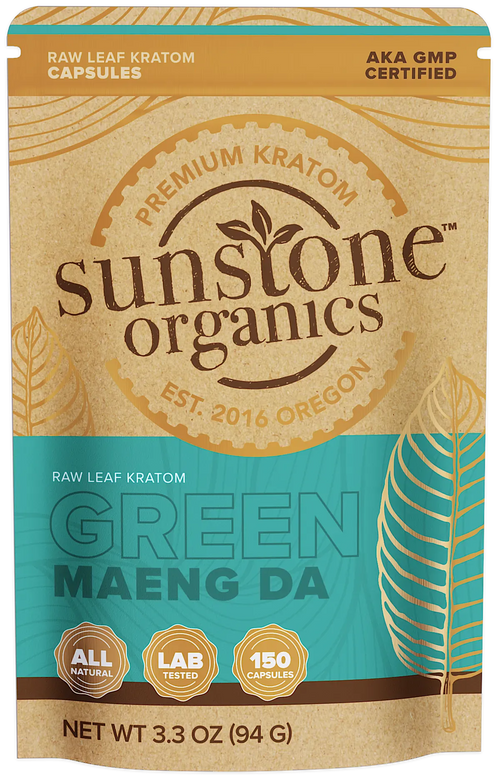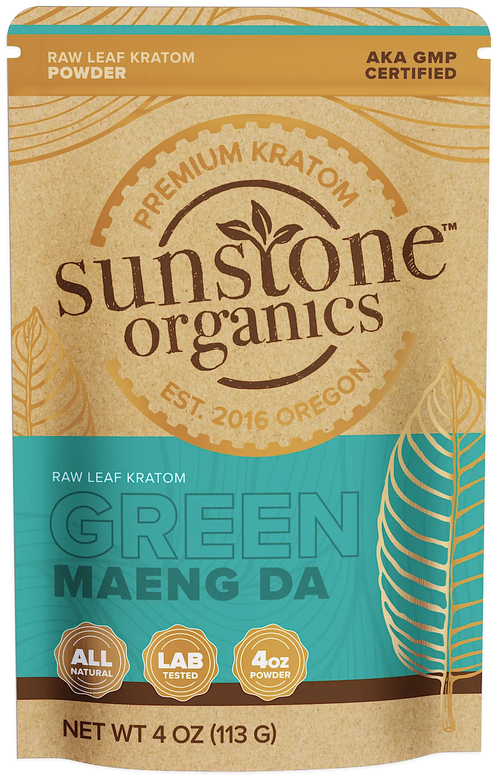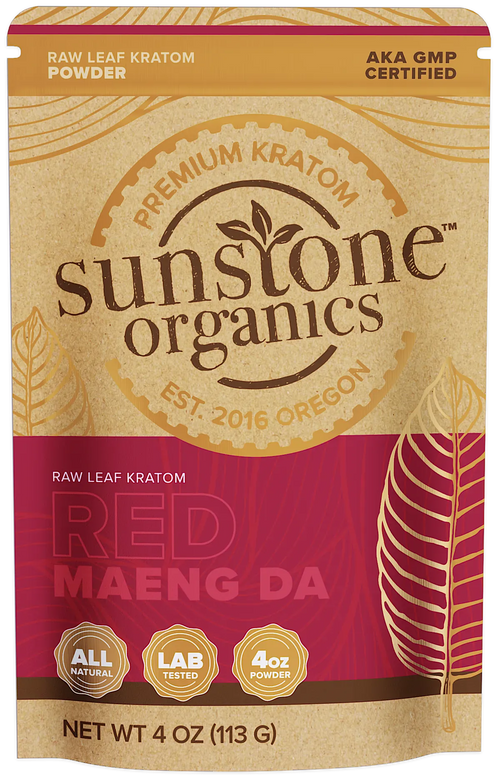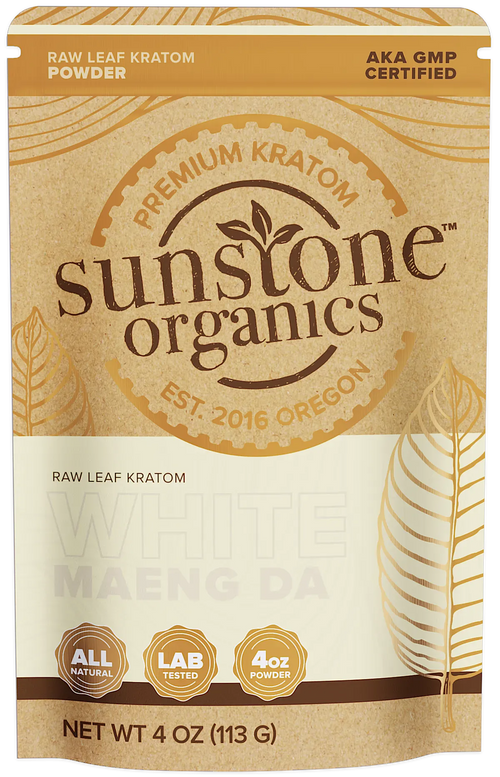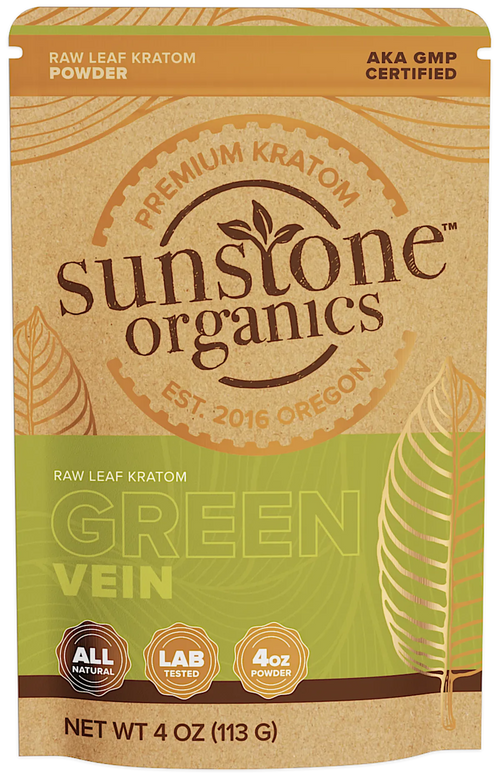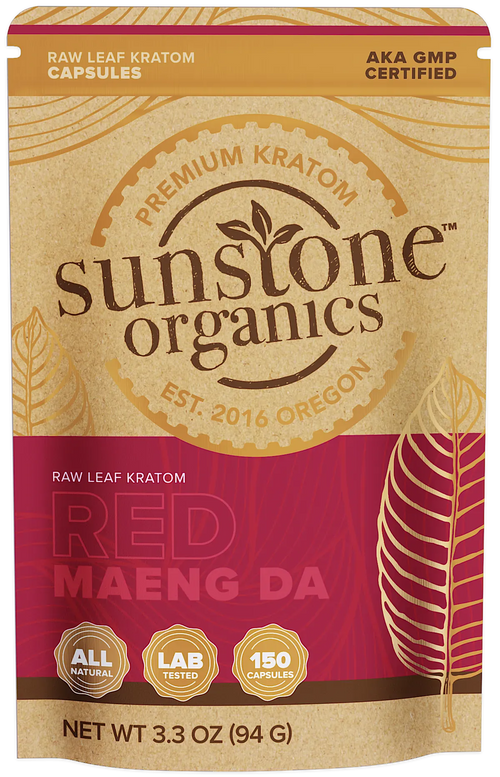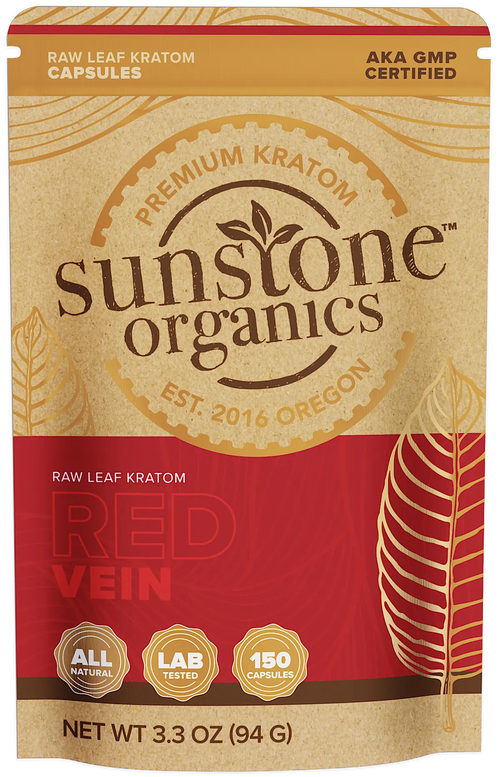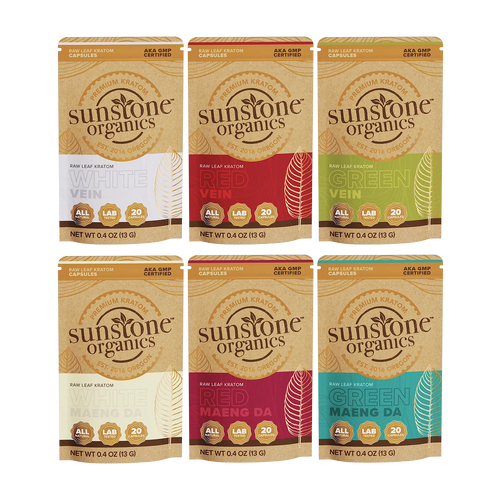
Green, white, and red vein kratom all come from the same plant — Mitragyna speciosa. The colors aren't different species or even mainly different leaves. They mostly come down to how the leaf is dried and whether it's allowed to ferment after harvest. Processing changes the leaf's alkaloid content, and that's what the color names are really telling you.
We've been processing kratom in Springfield, Oregon since 2016, and this is still the question we get asked most. The number's on the bag, and this is what we say when people call.
The short answer: it's one leaf, changed by processing
The cleanest comparison we know is tea. Green tea and black tea come from the same plant — the difference is what happens to the leaf after picking. Kratom works much the same way. It's really a spectrum from green to red, with white sitting off to one side.
What processing changes is the alkaloid profile — most notably mitragynine, the most abundant and most-studied compound in the leaf. Less processing preserves more mitragynine. More fermentation and sun exposure converts mitragynine into other, less-studied alkaloids.
What is green vein kratom?
Green vein kratom is the least processed of the three. The leaf is dried indoors, out of the sun, which preserves the most of its natural mitragynine content.
Green is our best seller, and I'd say it's the most popular vein in the category generally. It's the middle of the spectrum and a reasonable first pick for someone deciding where to start.
What is white vein kratom?
White vein kratom starts with the same indoor drying as green, but the leaves are stacked deeper, so the ones underneath ferment slightly. It carries a small amount of the traditional red process inside an otherwise green method.
In our experience, white is the vein customers tend to reach for earlier in the day. Honestly, the science doesn't yet explain the differences people describe — we'd rather tell you that plainly than invent a mechanism.
What is red vein kratom?
Red vein kratom is the traditional preparation: the leaf is fermented and dried outdoors, classically in the sun. That process converts much of the mitragynine into other alkaloids, so red is the lowest in mitragynine by a wide margin.
What we hear from customers is that red is the one they save for the evening. Same caveat as above — that's customer experience, not a promise.
Green vs. white vs. red at a glance
| Green | White | Red | |
|---|---|---|---|
| Processing | Dried indoors, no fermentation | Dried indoors, stacked to ferment slightly | Fermented, dried outdoors (traditional) |
| Mitragynine content | Highest | Middle | Lowest by far |
| Tea analogy | Green tea | Somewhere between | Black tea |
| When customers tend to reach for it | Anytime | Morning and daytime | Evening |
An honest caveat about vein names
Vein color is a broad category, not a precise specification. Kratom is an agricultural product, and leaf varies harvest to harvest — anyone who tells you every bag of "green" is identical is overselling. What can be held consistent is the process: how the leaf is sourced, handled, and tested. Every batch we sell is lab-tested for alkaloid content and contaminants, so the label reflects what's actually in the bag. I'll say that again, because it's the part that matters — every batch, tested.
A note we'd rather include than bury: kratom can produce dependence with regular use. Whatever vein you choose, start low, go slow, and take the risks seriously. We publish an honest, dedicated post on that question next week — no link-dressing, just the plain answer.
Frequently asked questions
Are green, white, and red kratom different plants? No. All kratom is Mitragyna speciosa. The color names mostly describe how the leaf was dried and fermented after harvest, which changes its alkaloid profile.
Which vein color is strongest? By mitragynine content: green is highest, white is in the middle, and red is lowest by far. "Strongest" is a compositional fact about the leaf, not a promise about your experience.
What's the difference between red and white vein kratom? Processing. White gets a green-style indoor dry with slight fermentation; red gets the full traditional treatment — fermented and dried outdoors. They sit at opposite ends of the mitragynine range.
Which vein should a beginner choose? There's no single right answer. Green Maeng Da is a balanced starting point, and whatever you pick, start with a conservative amount. If you're unsure, call us — the number's on the bag.
Is one vein color safer than the others? No vein is risk-free. Dependence risk applies to kratom generally, not to one color. Buy lab-tested product, start low, and take breaks.
Written by Todd, founder of Sunstone Organics. Sunstone has processed lab-tested kratom in Springfield, Oregon since 2016, in an AKA GMP-qualified facility. Last updated August 2026.
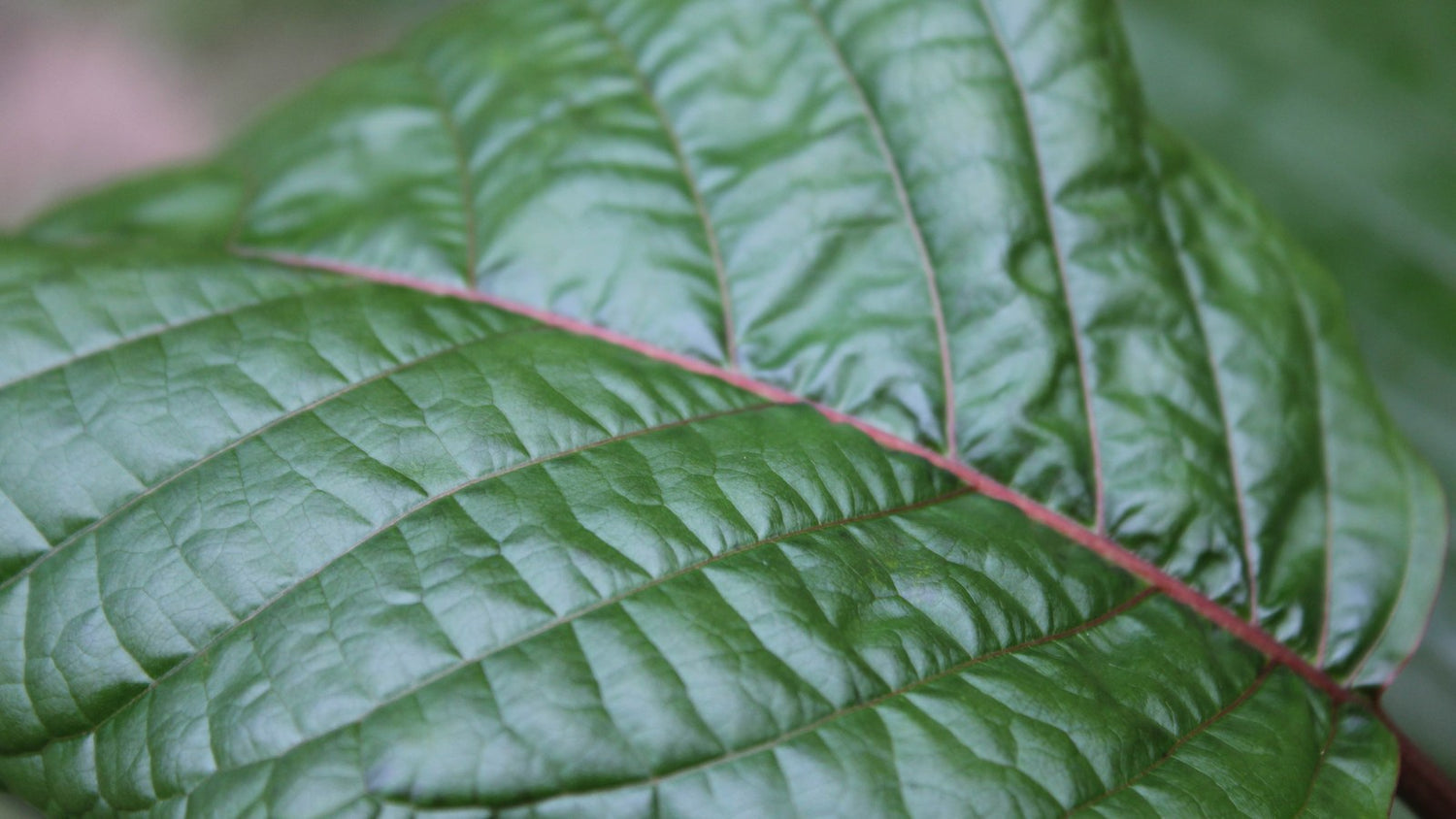
Featured photo: ThorPorre, CC BY 3.0, via Wikimedia Commons.