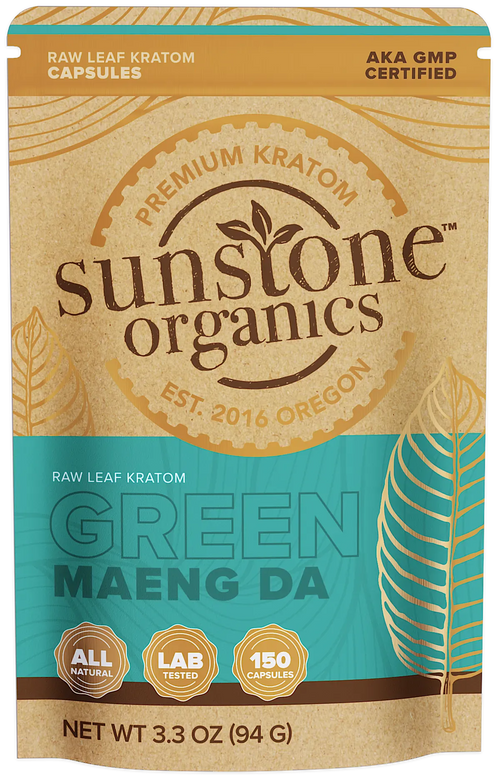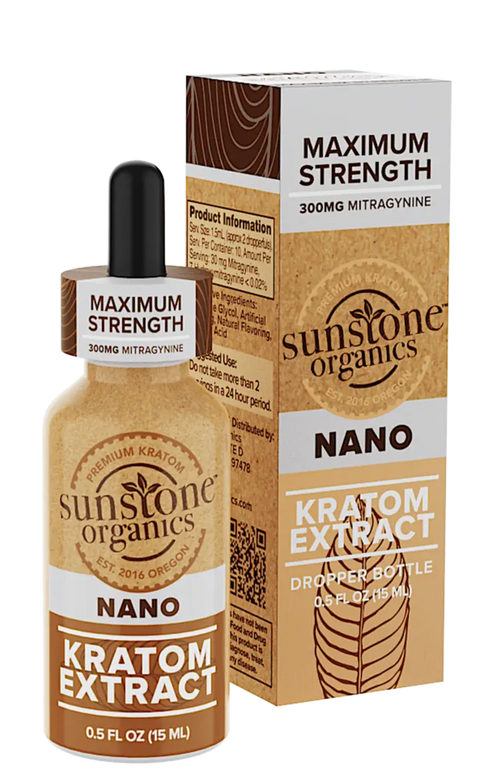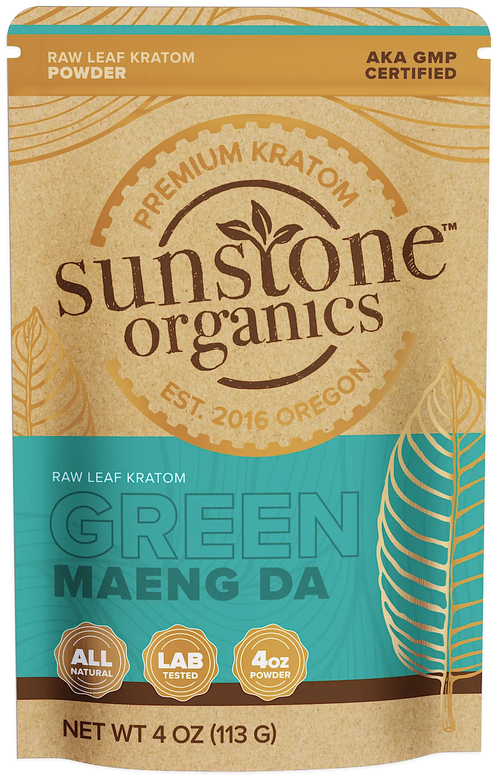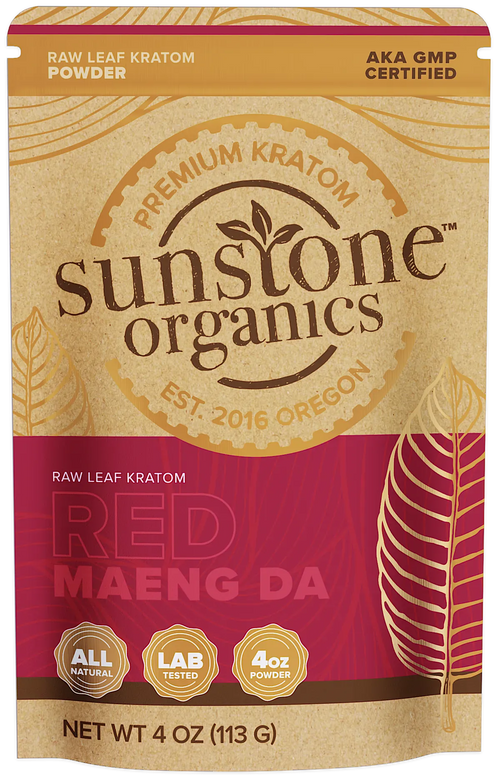
Yes. Kratom can produce physical dependence with regular use, and some people develop a genuinely hard-to-quit habit. Any kratom seller who tells you otherwise is not being straight with you. We sell kratom for a living, and we'd rather answer this question honestly than pretend it doesn't apply to our product.
Why is a kratom company writing this?
Fair question. Since 2016, we've printed our phone number on every bag we sell. When you do that for ten years, you hear everything — including from longtime customers whose use got ahead of them. I'd say we are honest about the risks of kratom and have always been about informing the customer. That was true when we started, and it doesn't stop being true when the question gets uncomfortable.
An informed customer is the only kind of customer we want.
What does the research actually say?
Kratom's main alkaloids, mitragynine and 7-hydroxymitragynine, act on some of the same receptors as opioids. That's the mechanical reason dependence is possible. The FDA has not approved kratom for any use and has raised concerns about dependence and withdrawal. Published case reports and surveys describe withdrawal symptoms in regular heavy users — irritability, muscle aches, poor sleep, low mood — typically resembling a milder version of opioid withdrawal.
Honest limits of the science, in both directions: kratom is under-researched. The severity of dependence varies a great deal between people, and many occasional users never experience withdrawal at all. But "under-researched" is not the same as "safe," and we won't use the first to imply the second.
What does kratom dependence look like?
In plain terms, watch for these signs:
- Rising tolerance. The amount that used to be enough no longer is, and servings keep creeping up.
- Daily use that stopped being a choice. Skipping a day feels less like a preference and more like something you can't do.
- Withdrawal symptoms between servings. Irritability, restlessness, aches, or sleep trouble that ease when you take kratom.
- Using more than you planned, more often than you planned.
If a few of those sound familiar, take it seriously. Tolerance rising is a signal to take less or take a break — not to take more.
How to lower your risk
None of this makes kratom risk-free. These habits reduce risk; they do not remove it.
- Start low and stay conservative. More is not better. It never has been.
- Don't use it daily by default. Regular daily use is the common thread in most dependence stories we hear.
- Take deliberate breaks. If a break feels difficult, that's information.
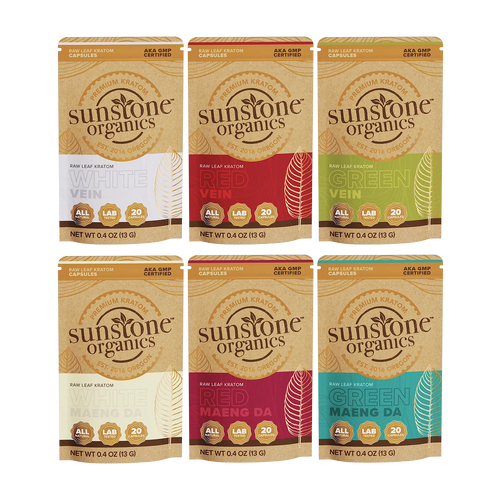
- Buy tested product. Lab-tested kratom (every batch of ours is) tells you what you're actually taking. Untested product adds contaminant and adulterant risk on top of dependence risk. Concentrated extracts and adulterated "kratom" products — especially synthesized 7-hydroxymitragynine products — carry substantially more risk than plain leaf.
- Keep certain situations off the table. If you're pregnant, nursing, on medications, or have a history of substance-use problems, talk to a doctor first — or skip kratom entirely.
If you want to stop and it's hard
Call your doctor and tell them plainly what you've been taking and how much — they can't help with what they don't know. The SAMHSA National Helpline (1-800-662-4357) is free, confidential, and open around the clock. And honestly, if you're a customer of ours and want to talk it through, the number's on the bag. We'd rather lose a sale than keep a customer who shouldn't be buying from us.
Frequently asked questions
Is kratom addictive? It can be. Regular use — especially heavy daily use — can produce physical dependence and withdrawal. Occasional conservative use carries less risk, but no use is risk-free.
What are kratom withdrawal symptoms? Commonly reported: irritability, muscle aches, restlessness, poor sleep, and low mood, typically starting within a day or so of stopping and easing over several days. Severity varies widely.
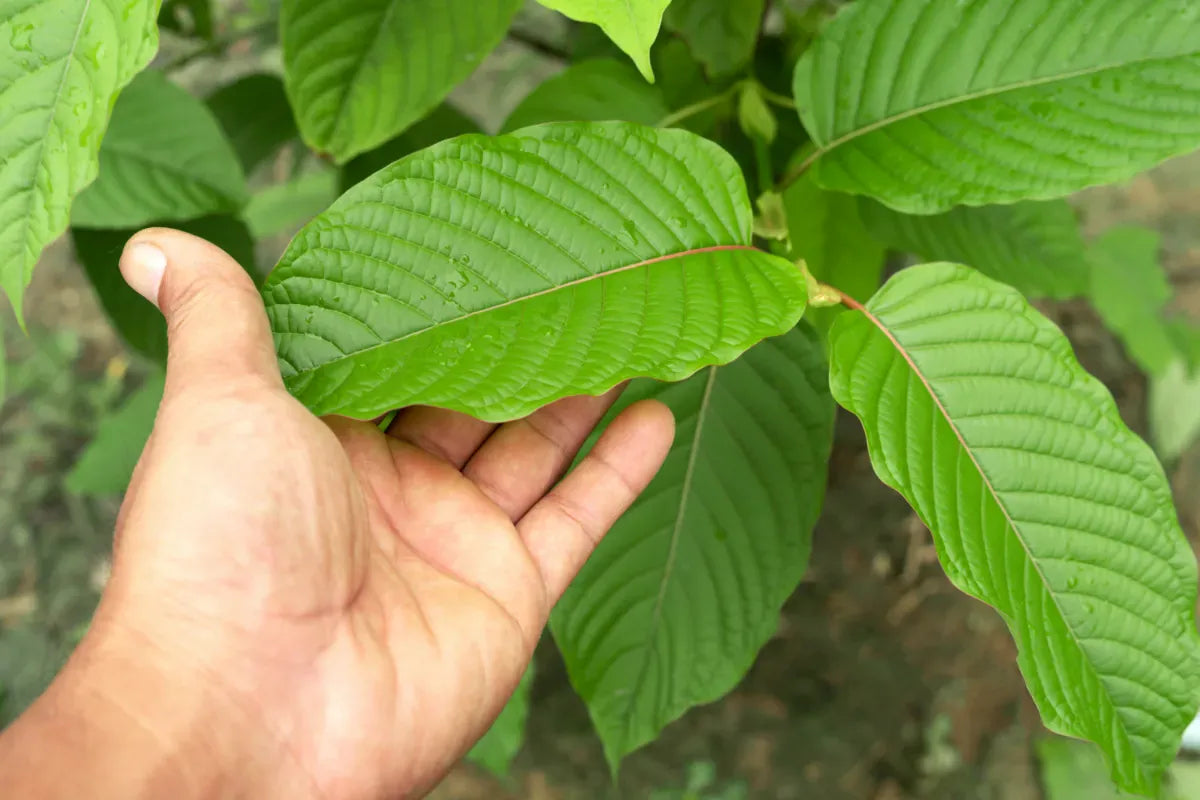
Is kratom an opioid? Botanically, no — it's a tree in the coffee family. But its main alkaloids act on some of the same receptors as opioids, which is why dependence is possible and why we take conservative use seriously.
Can I use kratom every day safely? We won't promise that. Daily use is the most common factor in the dependence stories we hear from customers. If you use kratom, build in off days.
Does lab testing make kratom non-addictive? No. Testing tells you what's in the bag — alkaloid content and the absence of contaminants. It does not change the dependence risk of the leaf itself.
Written by Todd, founder of Sunstone Organics. Sunstone has processed lab-tested kratom in Springfield, Oregon since 2016, in an AKA GMP-qualified facility. If this article raised concerns about your own use, call the SAMHSA Helpline at 1-800-662-4357. Last updated July 2026.