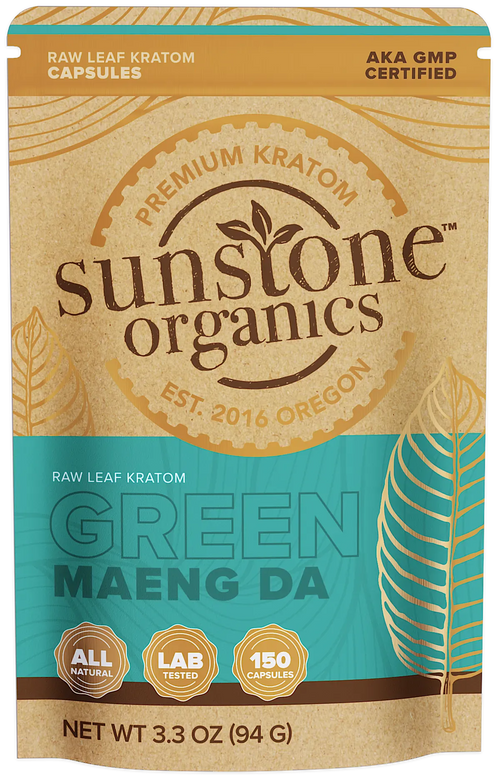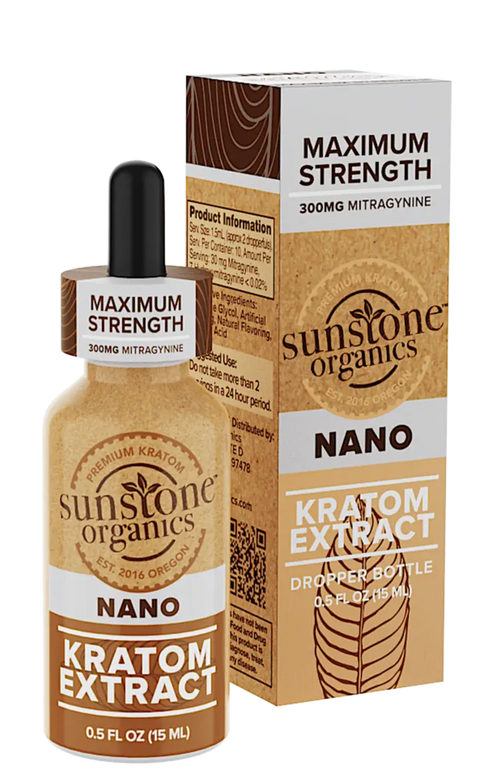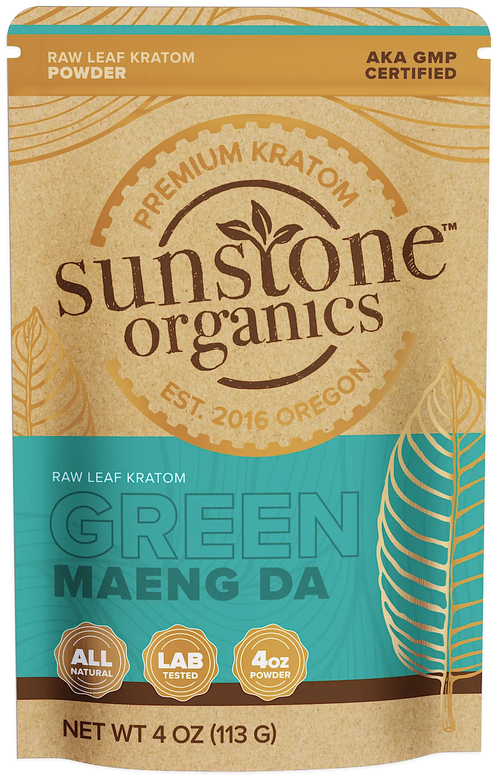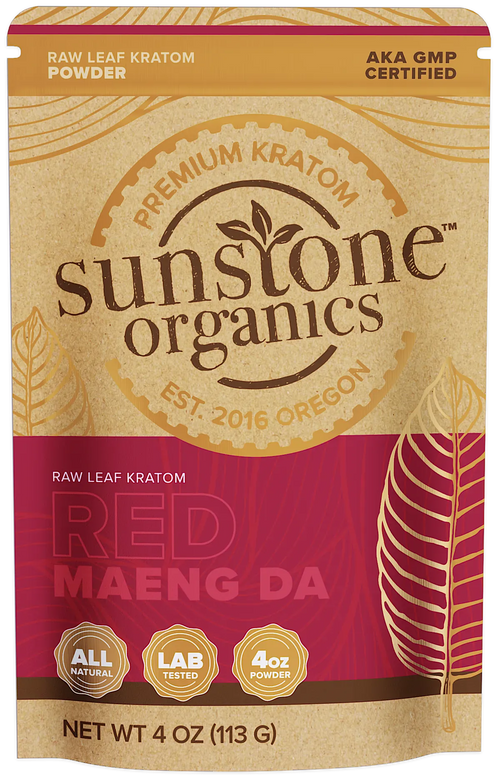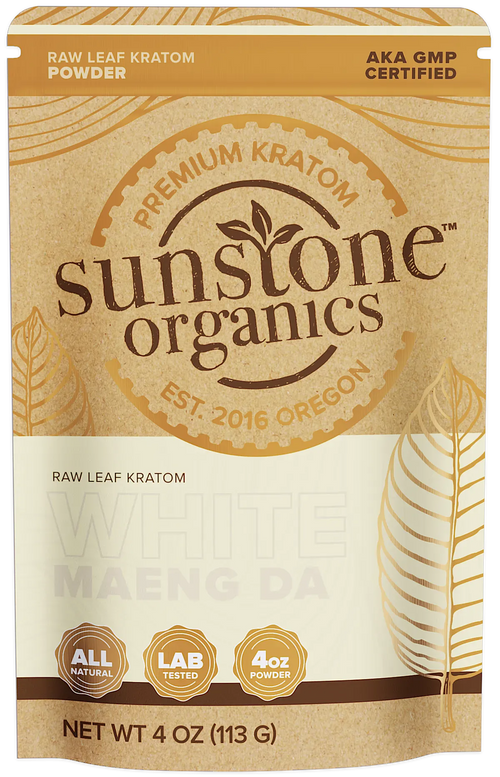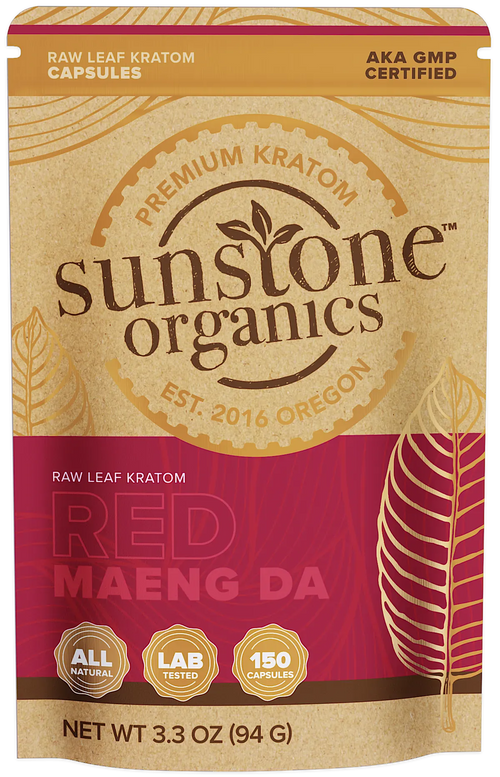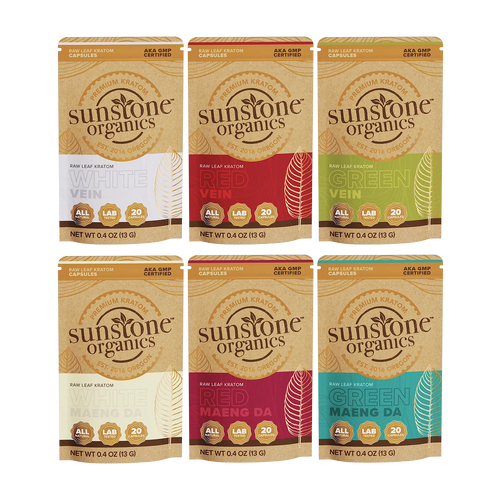
Maeng Da is not a different kratom plant, and it's not a fourth vein color. It's a grade name — a label for premium-selected kratom leaf, offered across the green, white, and red veins. The term is Thai slang, usually translated as "pimp grade." What it's meant to signal is quality of selection. What it actually guarantees, from one brand to the next, is nothing — and that's the part worth understanding before you buy.
We've sold Maeng Da since 2016, so this isn't a knock on the name. It's an explanation of what it can and can't tell you.
What does "Maeng Da" actually mean?
The name originated as Thai slang for something top-shelf. In kratom, it came to mean a premium selection of leaf — the pick of the harvest, rather than a botanical variety you could point to on a tree.
That's why you'll see Green Maeng Da, White Maeng Da, and Red Maeng Da. The vein color tells you how the leaf was processed (we explain that fully in our vein color guide). Maeng Da is a quality designation layered on top.
What the name doesn't guarantee
Here's the honest part: "Maeng Da" isn't a regulated or standardized term. There's no industry body checking that leaf labeled Maeng Da meets any particular bar. Any producer can put the words on a bag, and the name alone won't tell you how the leaf was selected, handled, or tested.
That's not a scandal — it's just how botanical marketing names work, and it's true of most strain names in this category ("Bali" kratom mostly isn't from Bali). But it means the name is only as trustworthy as the company behind it. For all practical purposes, two things tell you what's actually in a bag of Maeng Da: the sourcing and the lab report.
What Maeng Da means at Sunstone
When we put Maeng Da on a bag, here's what stands behind it: leaf from our direct sourcing relationships with Indonesian farmers, selected as premium grade; processed in our AKA GMP-qualified facility in Springfield, Oregon; and lab-tested every batch, for alkaloid content and contaminants. The label reflects the test, not the marketing name. I'll say that again — the label reflects the test.
In our experience, Maeng Da selections tend to run more balanced than their standard counterparts within the same vein. Green Maeng Da is the most balanced of the three, which is why it's the one we most often suggest as a starting point when someone calls and asks.
Green, White, and Red Maeng Da at a glance
| Green Maeng Da | White Maeng Da | Red Maeng Da | |
|---|---|---|---|
| Base process | Indoor-dried, no fermentation | Indoor-dried, slight fermentation | Fermented, dried outdoors |
| Mitragynine content | Highest of the three | Middle | Lowest |
| When customers tend to reach for it | Anytime; the common starting point | Morning and daytime | Evening |
Whichever you choose, the conservative advice is the same: start low, go slow, and know the risks — including dependence with regular use, which we cover honestly in Is Kratom Addictive?.
Frequently asked questions
What does Maeng Da mean? It's Thai slang, roughly "pimp grade" — a marketing term for premium-selected kratom leaf. It describes a grade, not a plant variety or vein color.
Is Maeng Da stronger than regular kratom? Not automatically. The name isn't standardized, so it guarantees nothing by itself. Within a trustworthy line, Maeng Da reflects premium leaf selection; the lab report tells you the actual alkaloid content.
What's the difference between Green Maeng Da and Red Maeng Da? The vein process. Green Maeng Da is indoor-dried and retains the most mitragynine; Red Maeng Da is fermented and dried outdoors, leaving the least. Maeng Da describes the leaf grade in both.
Is Maeng Da from Thailand? The name is Thai, but most commercial kratom — including ours — is grown in Indonesia. We source ours directly from Indonesian farmers we've worked with for years.
Which Maeng Da should a first-time buyer pick? Green Maeng Da is the most balanced and the most common starting point. Start with a conservative amount, and if you're unsure, call us — the number's on the bag.
Written by Todd, founder of Sunstone Organics. Sunstone has processed lab-tested kratom in Springfield, Oregon since 2016, in an AKA GMP-qualified facility. Last updated July 2026.