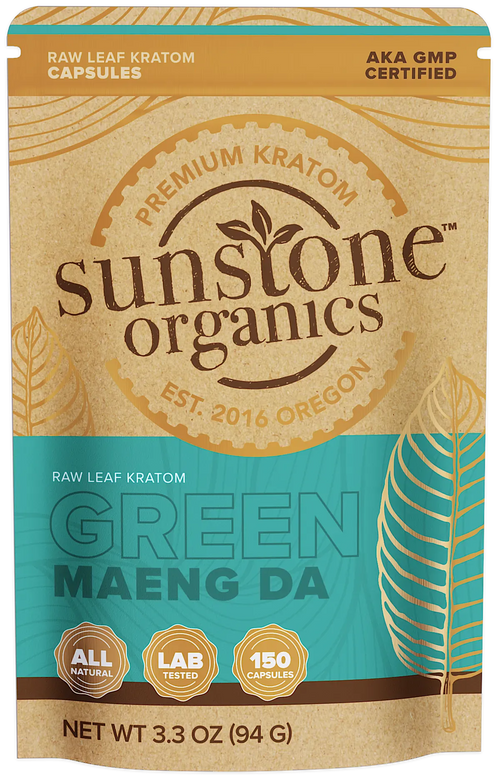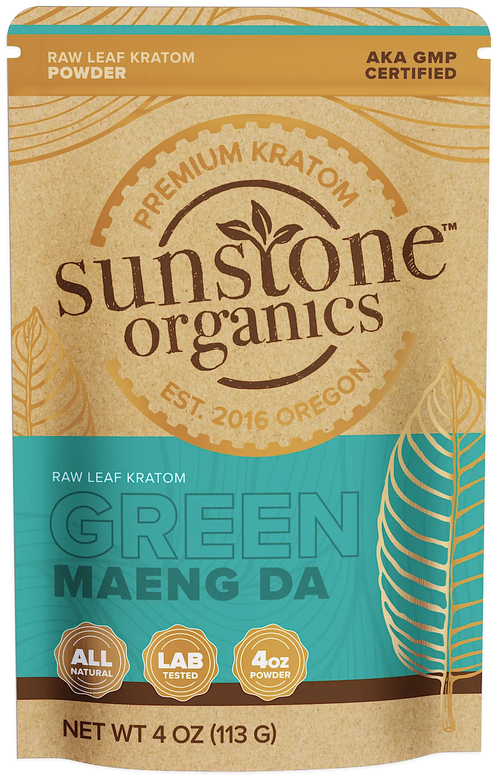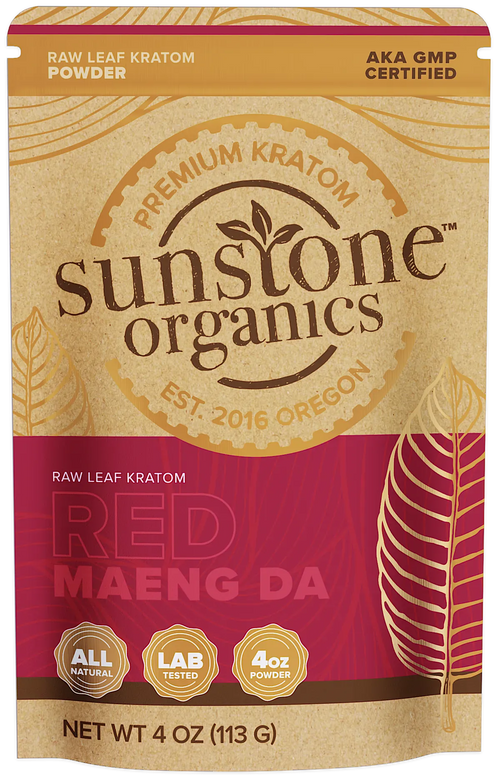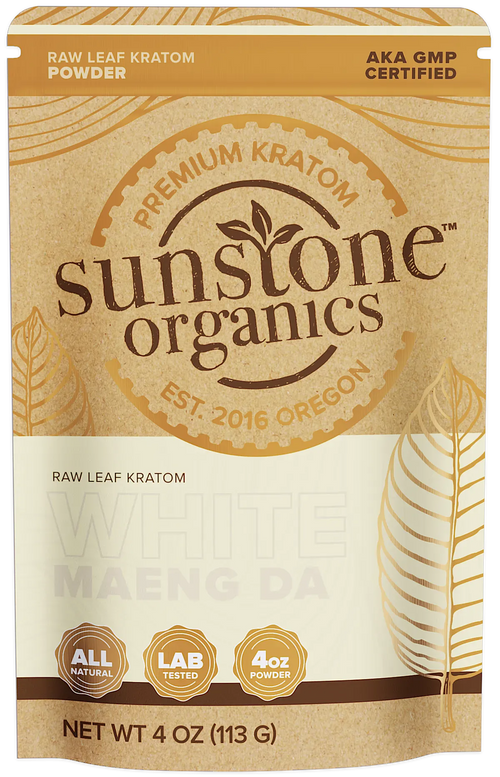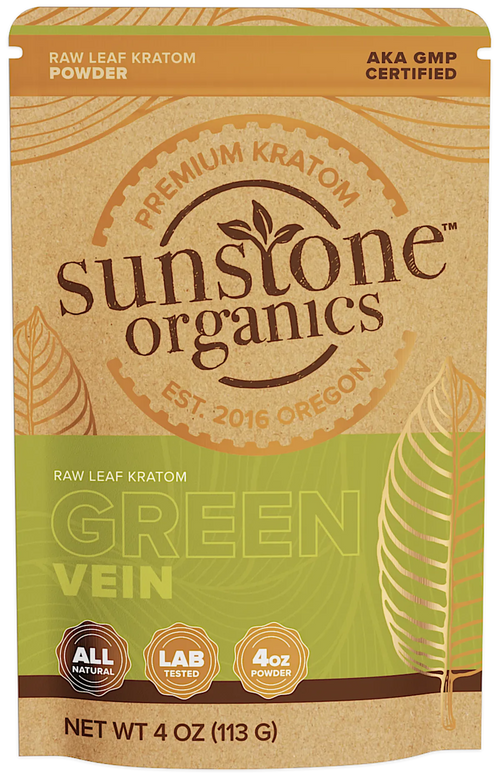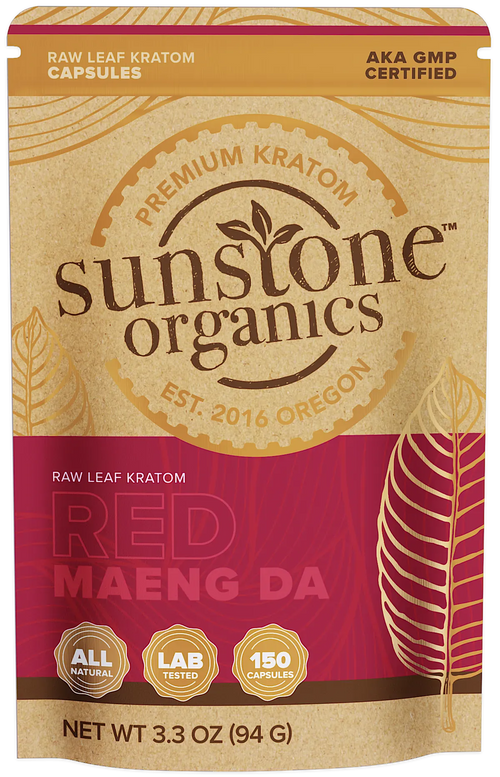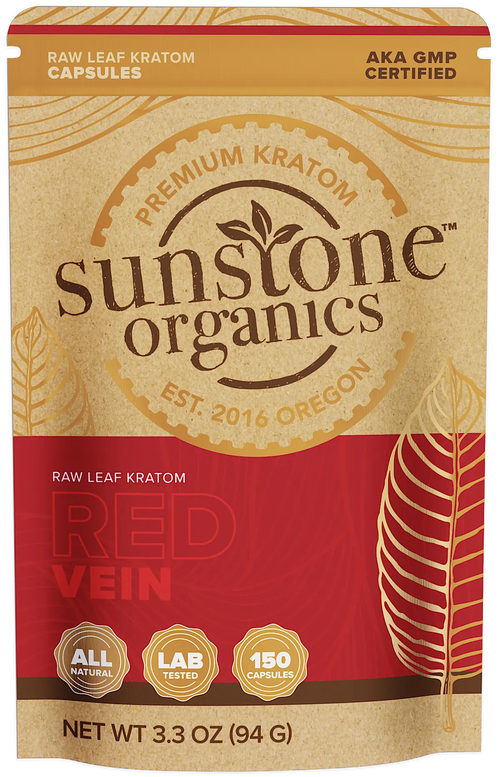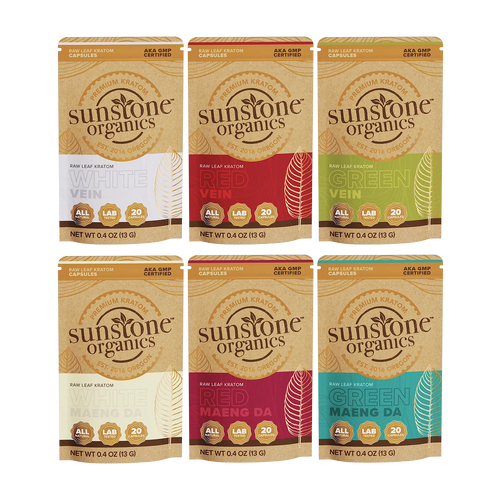

AKA GMP certification means a kratom company's facility has passed an independent third-party audit of how it makes, tests, packages, and labels its product — checked against standards set by the American Kratom Association (AKA), not self-reported. It does not mean every bag is chemically identical, and it does not say anything about the risks of kratom itself. Here's what the audit actually covers, and where the line sits.
What is AKA GMP certification?
GMP stands for Good Manufacturing Practice. The American Kratom Association runs a program that qualifies vendors who pass an independent audit of their facility against the program's standards, covering manufacturing, testing, processing, packaging, storage, distribution, and labeling. Vendors who pass are listed as AKA GMP Qualified on the AKA's site. Sunstone's facility in Springfield, Oregon is AKA GMP qualified.
What does the audit actually check?
The audit is done by a third-party auditor vetted and approved by the AKA, not by the AKA itself and not by the vendor. Within 90 days of enrolling, a company has to complete that audit, and it has to pass a new one every year to keep the qualification — this isn't a one-time badge.
What the auditor looks at:
- Standard operating procedures — documented, followed processes rather than ad hoc handling
- Facility cleanliness and equipment condition — calibrated, sanitized, properly maintained
- Employee training — records that people doing the work were actually trained to do it
- Record-keeping — traceability from raw material to finished, labeled product
- Adverse event reporting — a process for handling and reporting problems if they occur
- Label accuracy — what's on the package matches what's inside
- Recall procedures — a real plan for pulling product if something goes wrong
What it doesn't tell you
This is the part worth being honest about. GMP certification is an audit of the facility and its processes — it is not a test of the specific batch in your hand. It doesn't tell you the alkaloid content of what you bought, and it doesn't replace a batch-specific Certificate of Analysis; we cover how to read one of our own COAs here. It also isn't a government regulation or a legal requirement in any state — it's an industry-run program, and a company can be GMP qualified without every product it ever sells being independently verified by a consumer. And nothing about GMP certification changes kratom's own risk profile: it doesn't reduce the chance of developing dependence with regular use, which we've written about honestly in Is Kratom Addictive?
Consistency is a facility question, not a batch guarantee. Kratom is an agricultural product, and lot-to-lot variation is real regardless of how clean the facility is — that's what per-batch testing is for, not GMP certification.
Why it matters anyway, especially in unregulated states
Most states have no law requiring kratom testing or labeling accuracy at all. In a market with no mandatory floor, an independent audit that a company chose to sign up for, pay for, and pass every year is one of the only outside checks that exists. It's not a substitute for testing your own state's rules or reading a COA — it's one more thing that has to be true, on top of those, not instead of them.
Frequently asked questions
What does AKA GMP certified mean? It means a kratom vendor's facility passed an independent third-party audit of its manufacturing, testing, packaging, and labeling practices against standards set by the American Kratom Association, and passes a re-audit every year to keep the qualification.
Is AKA GMP certification the same as lab testing? No. GMP certification audits how the facility operates. Lab testing checks what's actually in a specific batch. Sunstone does both — see our lab reports for the batch-level testing behind every powder we sell.
Is AKA GMP certification required by law? No. It's a voluntary, industry-run program. No state currently mandates it, though some state-level Kratom Consumer Protection Acts require testing and labeling standards of their own.
Does GMP certification mean every bag is identical? No. It certifies the process, not the product. Kratom is agricultural material, and batch-to-batch variation is normal — that's what the COA for each lot is for.
Does GMP certification reduce kratom's risks? No. It has nothing to do with dependence risk, which exists with regular use regardless of how the facility is run. We cover that directly in Is Kratom Addictive?
Written by Todd, founder of Sunstone Organics. Sunstone has processed lab-tested kratom in Springfield, Oregon since 2016, in an AKA GMP-qualified facility. Last updated September 2026.