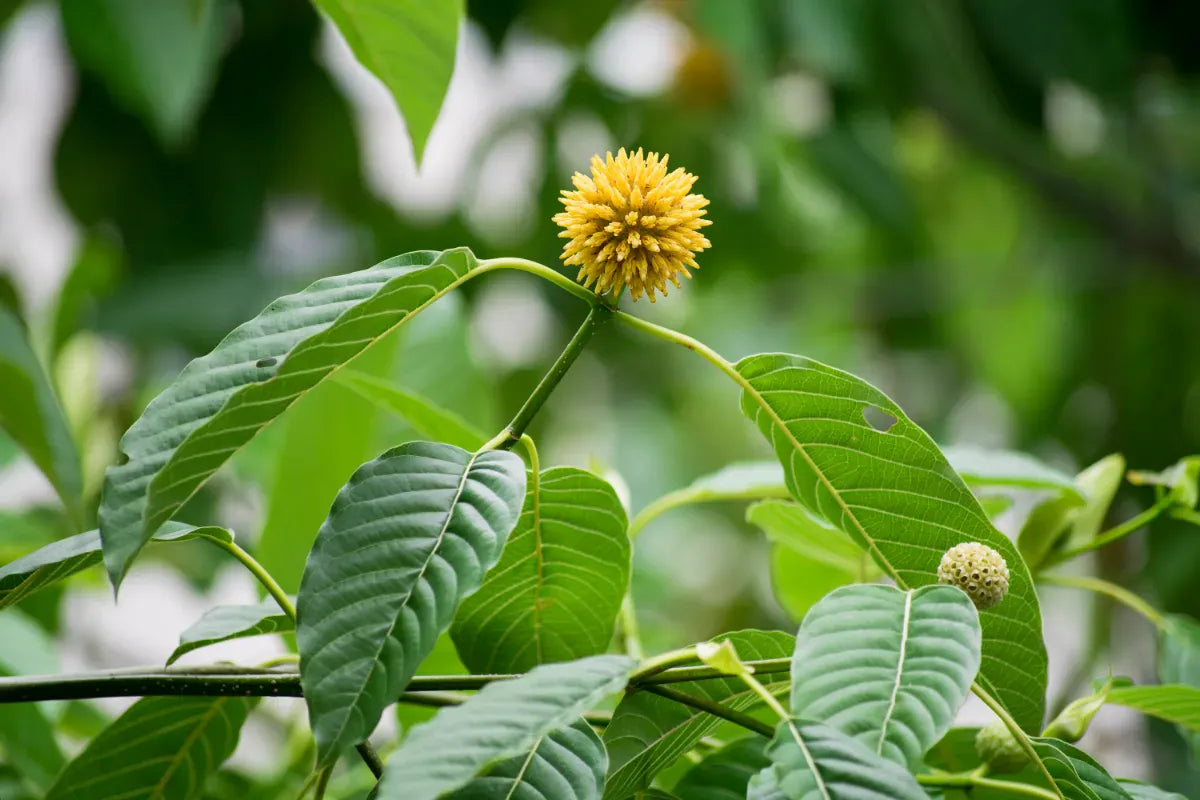
What Is Kratom?
Kratom (Mitragyna speciosa) is a plant in the coffee family. Its leaves contain natural compounds called alkaloids, primarily mitragynine and 7-hydroxymitragynine. These substances are believed to interact with receptors in the body, though research is still ongoing to understand exactly how they work.
How Kratom Works in the Body
Although kratom’s effects can vary by strain and amount used, users report that different types may support different experiences. Scientists are exploring how kratom’s active compounds interact with the body’s receptors, especially those involved with mood and energy levels. However, more peer-reviewed research is needed to draw firm conclusions.
Important Note: The FDA has not evaluated kratom for medical use. Any effects described by users are anecdotal and not guaranteed.
Commonly Noted Traditional Uses
There are some ways kratom has been traditionally used:
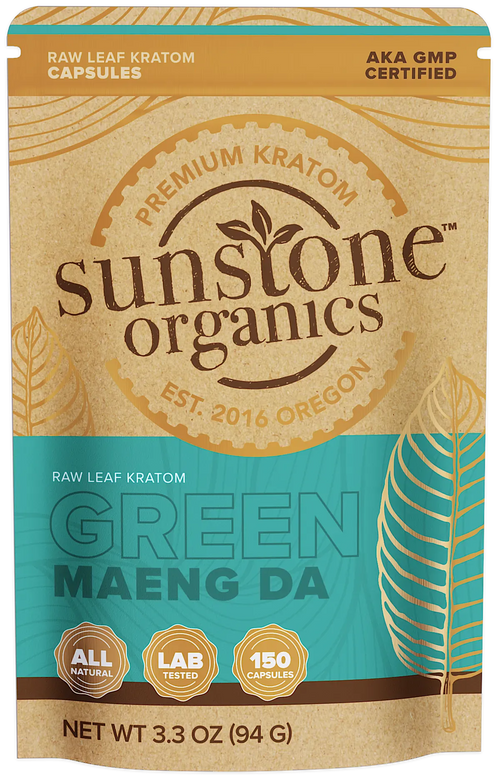
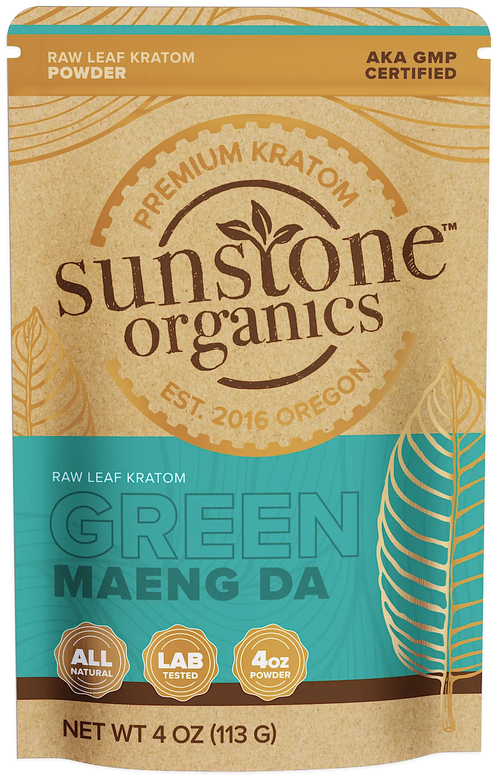
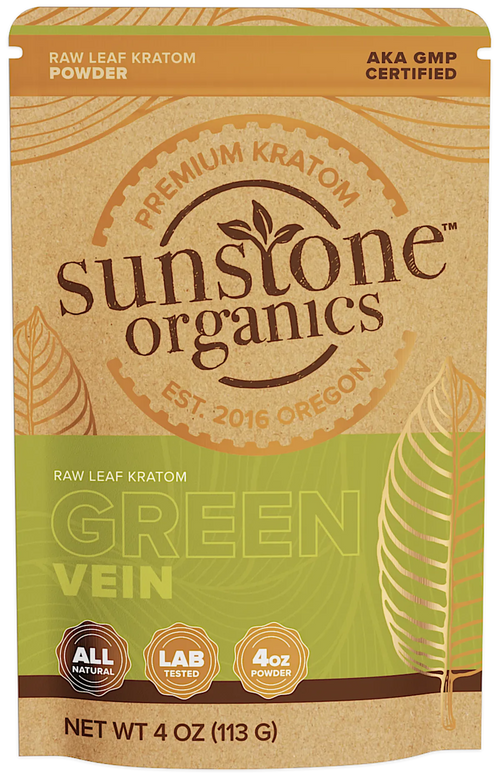
- Green vein kratom is often described as a balanced option that may support focus and clarity.
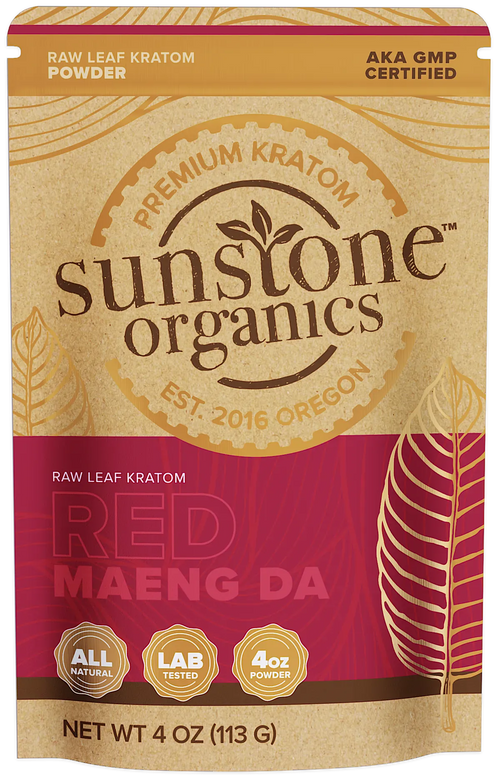
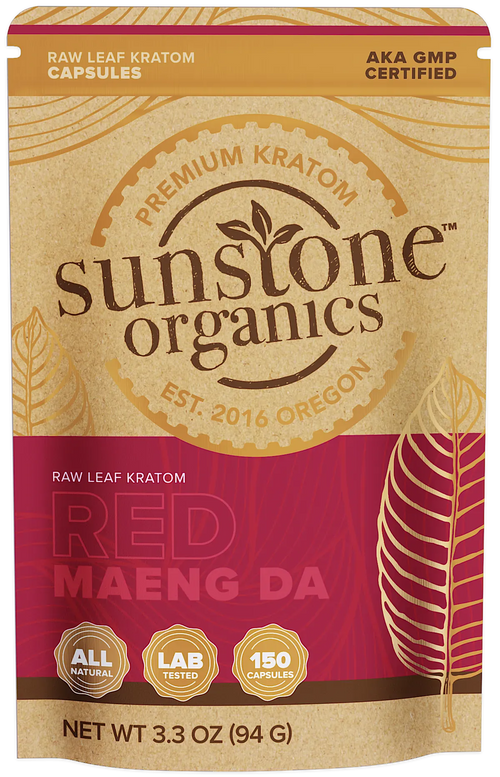
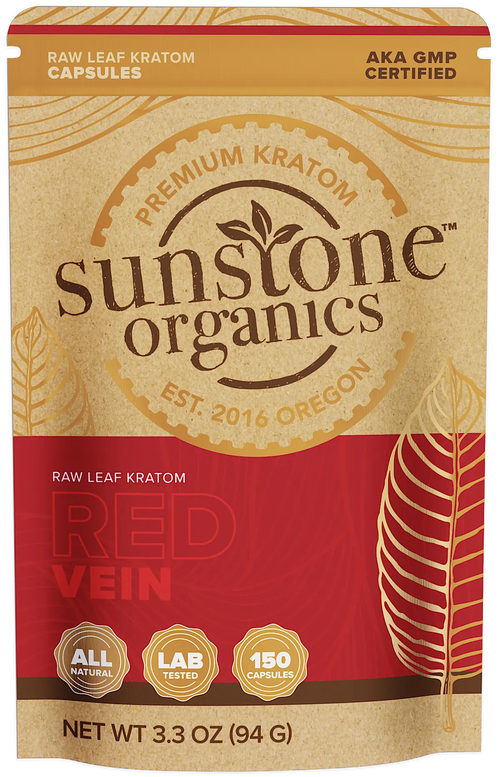
- Red vein kratom is commonly chosen by users seeking a sense of calm.
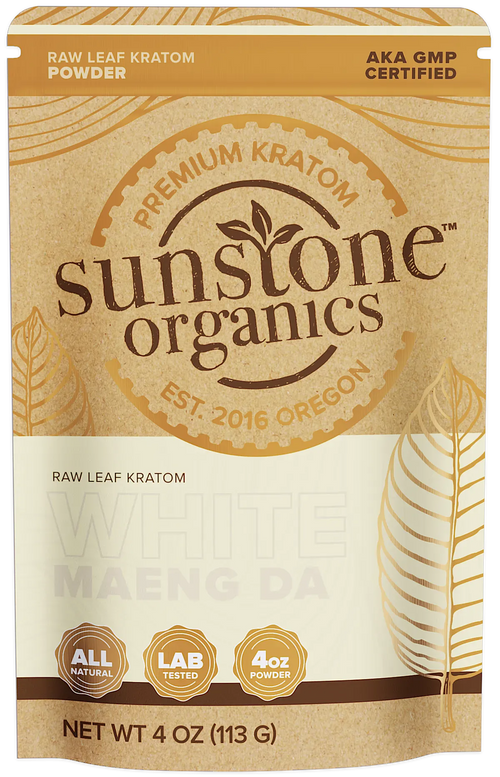
- White vein kratom may be preferred for days when extra motivation is needed.
The experience can depend on personal body chemistry, strain type, and serving size. Responsible use and moderation are key.
What Are the Potential Benefits?
While benefits cannot be guaranteed, some individuals incorporate kratom into their routines to support:
- A natural sense of energy during the day
- A calm evening ritual
- A feeling of motivation when starting tasks
It’s best to start with small amounts and gradually find what works for you. If you’re considering trying kratom, it’s wise to consult your healthcare provider.