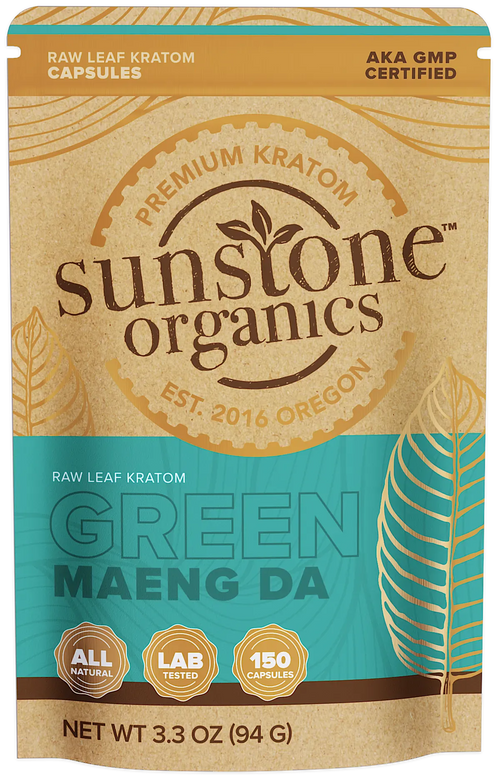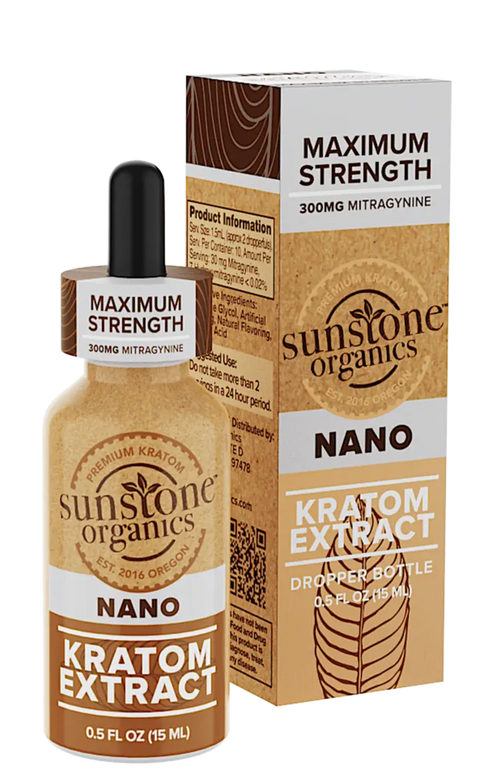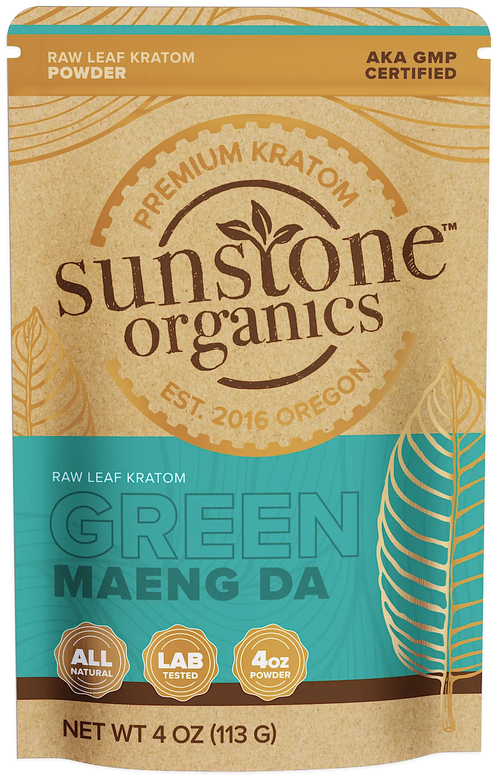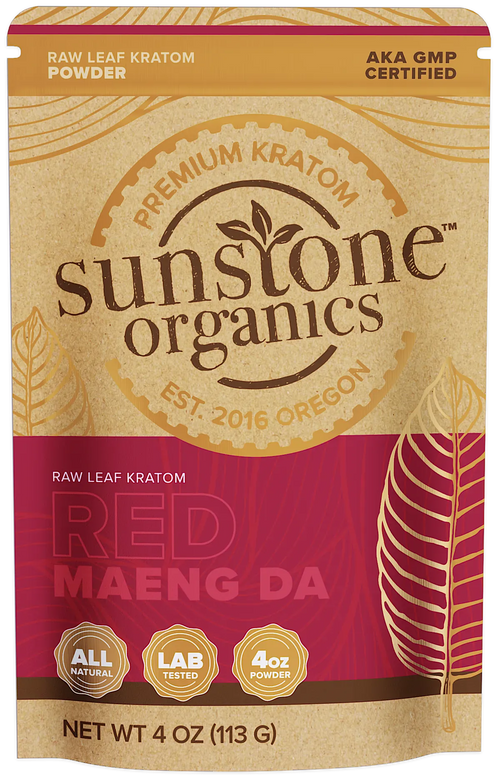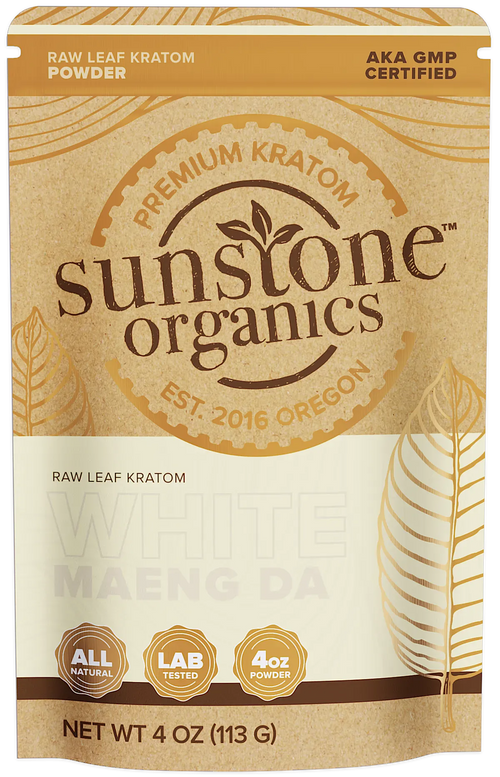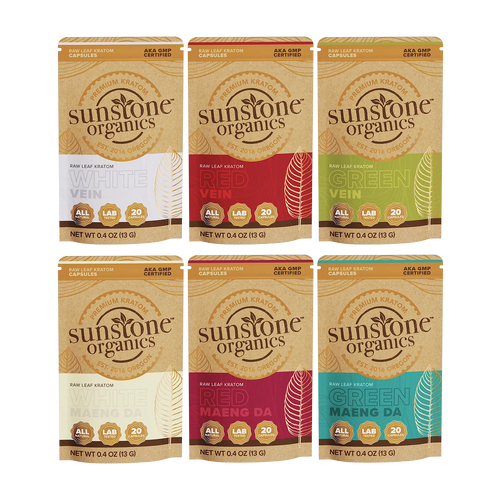
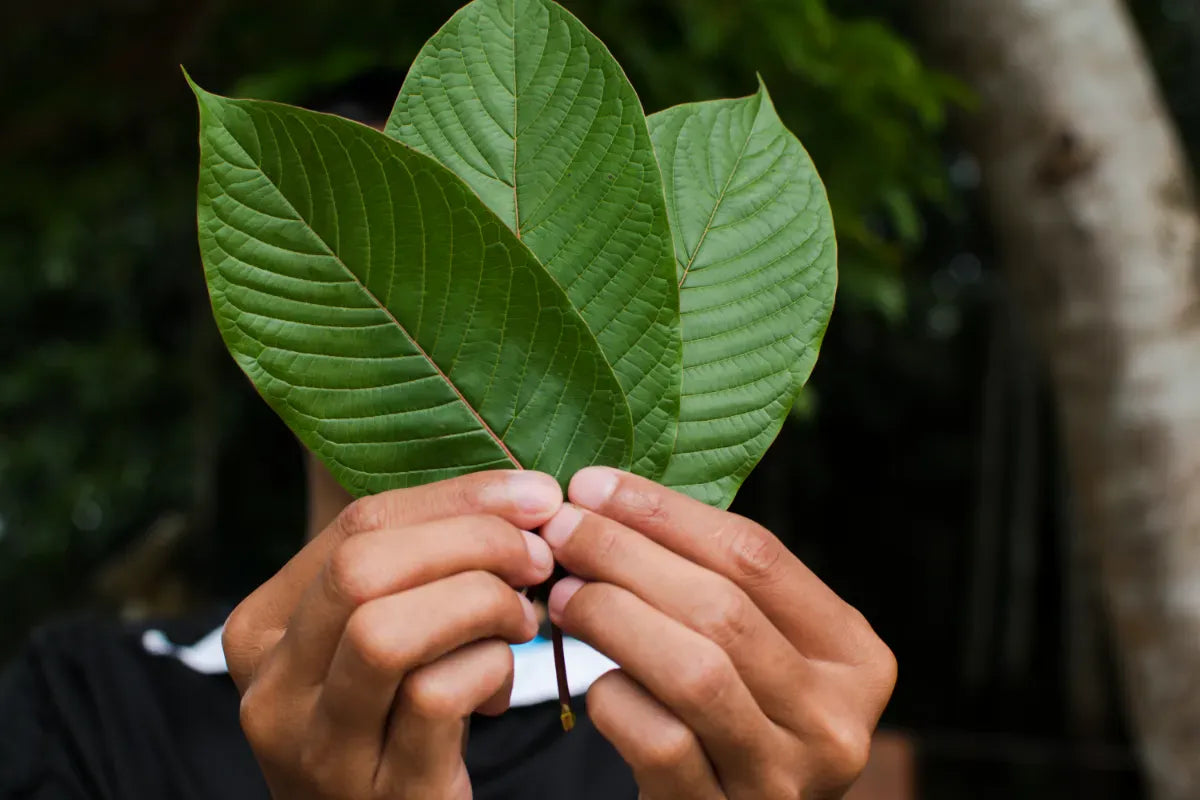
White vein kratom comes from the same plant as green and red — Mitragyna speciosa — and gets its name from a drying method, not a different leaf. The "white" is the stem and vein color the leaf keeps when it's dried indoors with little to no fermentation, kept away from the deeper fermentation red vein goes through.
We covered the full three-way comparison in our post on green, white, and red vein kratom. This one is about white specifically, since it's the vein customers ask us to explain most after they've already picked a favorite.
What is white vein kratom, exactly?
White vein kratom is leaf that's been dried with minimal fermentation, usually indoors and out of direct sun. Some processors dry it faster or at a lower moisture target than green, and some stack the leaf differently during drying — the details vary by processor, but the goal across all of them is the same: keep fermentation to a minimum so the vein stays pale rather than turning the reddish-brown red vein takes on.
It isn't a separate cultivar or a hybrid of green and red. Any Mitragyna speciosa leaf can be processed into a white-vein product; the name describes what was done to it after harvest, not what it started as.
How is it different from green vein?
Green and white start from a similar place — both are dried indoors, away from the sun, without the full fermentation red gets. The difference is a matter of degree: white processing tends to run drier and faster, and some methods introduce a brief, shallow fermentation step that green skips entirely.
That puts white and green close together on the same end of the processing spectrum, with red at the other end. Neither is a "stronger" or "weaker" version of the other — they're two points along the same line, not a hierarchy.
Why do people reach for it in the daytime?
What we hear from customers is that white tends to be the vein they pick earlier in the day, the same way we described it in the vein-colors post. We're repeating that here rather than dressing it up, because it's still true and we don't have a mechanism to offer beyond it — the research on why particular processing methods correspond to what people report hasn't caught up to the anecdote. We'd rather say that plainly than invent an explanation.
Is white vein stronger than green or red?
"Stronger" isn't a single number. If you mean mitragynine content — the most abundant and most-studied alkaloid in the leaf — white generally sits close to green, both higher than red, because both skip the fermentation that converts mitragynine into other compounds. We wrote more on what that conversion actually is, and why a mitragynine number is not the whole picture, in our post on kratom's alkaloids.
That's a compositional fact about the leaf, not a promise about what you'll experience. Kratom is an agricultural product, and any single batch — white, green, or red — will vary somewhat from the last one.
White Maeng Da vs. plain white vein
"White Maeng Da" is a common label on shelves, and it combines two separate things: "Maeng Da" is a grade name applied to leaf a processor considers higher quality, not a botanical variety, which we get into in our Maeng Da post. "White" describes the drying method. Put together, the name is telling you two claims at once — and neither one is verifiable from the name alone. What tells you something real is the certificate of analysis for that specific batch.
What to actually check before buying white vein kratom
Since the name itself doesn't guarantee much, here's what does:
- A batch-specific certificate of analysis covering alkaloid content, heavy metals, and microbial testing — not a generic "we test our products" statement.
- Who did the processing, since "white vein" describes a method that varies between processors, not a fixed spec.
- A real address and a real phone number. We print ours on every bag because we'd rather you call and ask than guess.
Every batch we sell is lab-tested before it ships, and the certificates are published at our lab reports page.
The risk note, which belongs on every one of these
Kratom can produce dependence with regular use, and that's true of white vein the same as any other. Buy lab-tested product, start with a conservative amount, and take breaks.
Frequently asked questions
Is white vein kratom a different plant than green or red? No. All three come from Mitragyna speciosa. White describes a drying method — indoor drying with minimal fermentation — not a separate cultivar.
What makes kratom "white vein" instead of green? Processing detail, not a different starting leaf. White tends to dry faster and drier than green, and some methods add a brief, shallow fermentation step that green skips.
Is white vein kratom stronger than green vein? By mitragynine content, white and green sit close together, both higher than red. "Strongest" is a compositional fact about the leaf, not a promise about your experience.
What does "White Maeng Da" mean? Two labels combined: "Maeng Da" is a quality grade name, and "white" describes the drying method. Neither is verifiable from the name — the batch's own lab report is what actually tells you what's in it.
How do I know a white vein product is what it claims to be? Ask for a batch-specific certificate of analysis. Ours are published at lab reports, and every white vein product we sell in powder is tested before it ships.
Written by Todd, founder of Sunstone Organics. Sunstone has processed lab-tested kratom in Springfield, Oregon since 2016, in an AKA GMP-qualified facility. Last updated October 2026.